Pruning timing matters more than most homeowners think. The same cut, in the wrong month, can decay back into the trunk and quietly knock years off the life of the tree. Done in the right month, it heals cleanly and the tree barely notices.
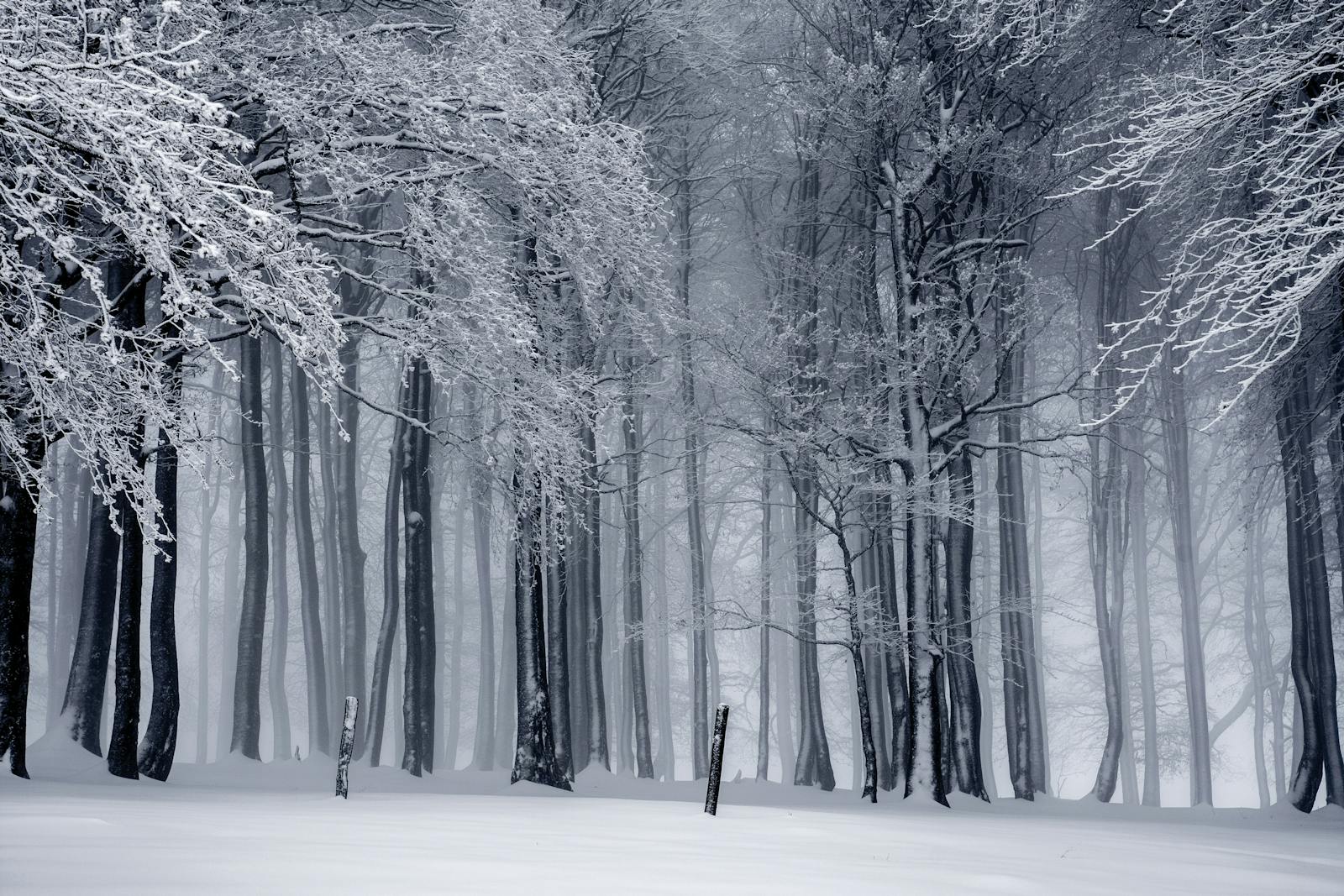
Late winter (dormant season) is the best general window
For most deciduous trees in northern Illinois — maples, oaks (with one big exception below), elms, hackberries, beeches, lindens — late winter is the sweet spot. Specifically: late January through mid-March, while the tree is still dormant but the worst of the deep cold is behind us.
Three reasons:
- Structure is visible. With no leaves, we can see every cross-rub, every weak union, every deadwood branch. Better cuts get made because better cuts can be identified.
- Disease pressure is low. Most fungal spores aren't active in winter. Open wounds heal before pathogens are airborne.
- The tree wakes up and seals the wounds. Dormant cuts get a full spring of healing energy directed at closure.
Summer pruning has its place
Summer pruning is the right call for:
- Storm damage — broken branches don't wait for February.
- Cherries, plums, and other Prunus species — these prefer summer pruning because of silver leaf fungus risk in winter.
- Light corrective cuts on young trees — a small summer cut to redirect growth often beats a bigger winter cut later.
- Vigor reduction — summer pruning slows a tree's growth more than dormant pruning. Useful occasionally; rarely the primary reason.
Oaks are a special case. In our area, do not prune oaks April through July. Open wounds during the active season are an invitation to oak wilt, a vascular disease spread by sap-feeding beetles. We prune oaks in winter, or in late August through February. If a storm breaks an oak branch in May, we paint the wound immediately — it's the rare case where wound paint is genuinely useful.
Fall is usually the worst time
Cuts made in September or October don't get the energy directed at closure that dormant cuts do — the tree is shutting down for winter. Decay fungi often have a full fall and warm winter to colonize the wound. There are a few species and situations where fall pruning is fine, but as a general rule, we'd rather wait until January.
What this means for scheduling
If you ask us to prune in July, we'll do it — but we may suggest waiting for non-urgent cuts if the species and the cuts in question would do better in dormancy. The right time is the right time. We schedule routine pruning 1–2 weeks out year-round; the seasonally-sensitive work just gets stacked into the right window.