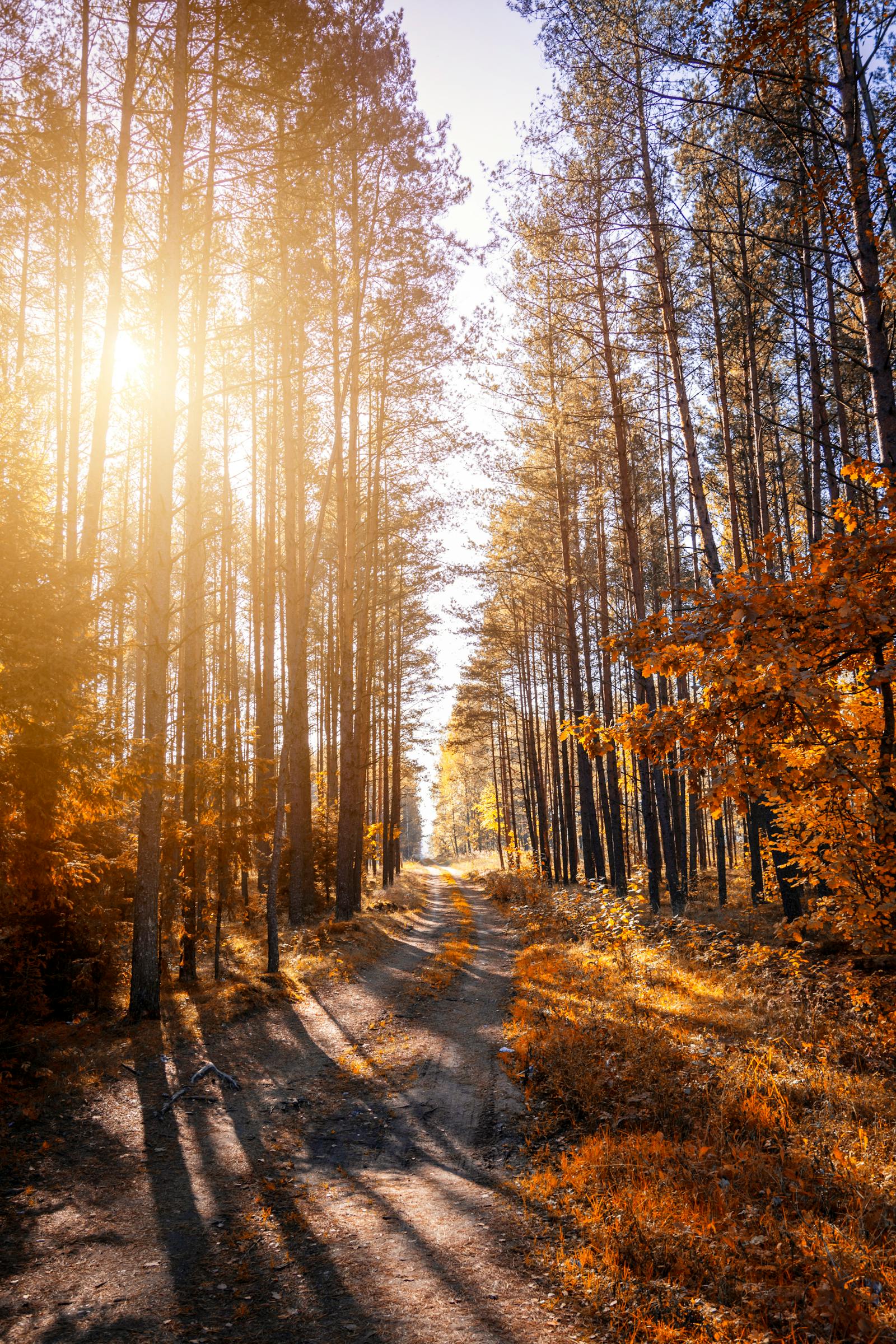
A mature shade tree in front of a house is worth real money. Multiple studies — by the USDA Forest Service, the Council of Tree and Landscape Appraisers, and university extension programs — consistently put the property-value contribution of mature trees at 3–15% of total property value. For a typical Fox Valley single-family home, that's $10,000 to $50,000 per significant tree.
It's not just real estate magic. The reasons are concrete:
Why appraisers value mature trees
- Curb appeal. Houses with mature street trees photograph better, list faster, and close at higher prices.
- Shade and energy efficiency. A well-placed mature shade tree can reduce summer cooling costs 10–25%. Appraisers know this; buyers feel it.
- Privacy. Mature trees screen properties without the lifetime maintenance of a fence — and they look natural doing it.
- Time replacement cost. A 24-inch oak takes 60+ years to grow. You can't plant a replacement equivalent to one you removed; you can only plant a smaller version that your grandchildren may eventually appreciate.
How much one tree can shift a sale price
There's no perfect formula, but a rough framework appraisers use:
- Size — diameter at breast height (4.5 ft above grade). Bigger = more value.
- Species — desirable hardwoods (oaks, maples, lindens, beeches) are worth more than “trash trees” (silver maple, mulberry, tree of heaven).
- Condition — healthy, well-pruned trees count for full value; declining trees count for less.
- Location — trees that frame the house, provide privacy, or shade the patio count for more than equivalent trees in the back corner of the lot.
A healthy 24-inch white oak in the front yard of a $600,000 house is plausibly worth $15,000–$25,000 of that price. The same tree in a 20% decline is worth significantly less — partly because it's less attractive, partly because the buyer's inspector will flag it as a future expense.
Removing the wrong tree
We get calls from sellers who've been told by a realtor to “clean up the trees” before listing. Sometimes that's right — a dead tree leaning over the driveway needs to go. Often it isn't. We've seen sellers remove mature shade trees to “open up the lot,” only to be told by appraisers and buyers afterwards that the property looks barren.
If you're thinking about removing a healthy mature tree to prepare for sale — pause and call us. A free, on-site walk-through with a tree professional will tell you whether removal helps or hurts the listing.
The investment math on annual care
If your mature trees collectively contribute $40,000 to your property value, and ongoing maintenance — pruning every 3–5 years, occasional health treatments, storm prep — costs you $1,500–$2,500 a year on average, that's a maintenance investment of about 4–6% per year on the asset. Nobody would object to that ratio on the roof or the HVAC system. Trees are no different — they're infrastructure that responds to care.
What we'd watch out for
Trees that genuinely hurt property value:
- Dead, dying, or visibly declining specimens (read as deferred maintenance by buyers)
- Trees too close to the foundation, with roots in the line
- “Trash species” that drop messily — mulberry, silver maple, female ginkgo
- Trees with structural defects that an inspector will photograph
Everything else — healthy, mature, well-cared-for — is generally an asset. Treat it like one.